
Waxing removes hair from the root for smoother skin that typically lasts three to six weeks. At Transform Beauty in Horsham services include face, brows, underarms, legs, bikini, Brazilian, Hollywood and men’s waxing, using strip or hot wax depending on the area. Hair around 5–6 mm long waxes best.
Remove unwanted hair and reveal softer, smoother-looking skin with professional facial and body waxing.
Waxing is a temporary hair-removal treatment that removes suitable hair from the root.
Because the hair is removed beneath the skin’s surface rather than cut at skin level, many clients experience smoother-looking skin for longer than they would with shaving.
At Transform Beauty, waxing treatments are personalised according to:
The exact duration of results depends on the individual hair-growth cycle, area treated, hormones and previous hair-removal methods.
Waxing is a professional hair-removal method that removes suitable unwanted hair from the root.
Warm or strip wax is applied to the skin in a controlled manner and removed using a professional technique.
The treatment can be used on small and large areas, including:
The waxing process can be explained simply:
Because hairs grow at different stages, not every hair may be removed during a single appointment.
Short, broken or newly emerging hairs may remain visible.
Depending on the treatment area and clinic protocol, the practitioner may use:
Strip wax is applied in a thin layer and removed using a professional strip.
It may be used for larger areas such as:
Hot or peelable wax sets around the hair and is removed without a paper or fabric strip.
It may be selected for smaller or more sensitive areas such as:
The most appropriate product depends on the treatment area, hair type, skin sensitivity and practitioner assessment.
Professional facial waxing may be offered for:
Facial skin may be more sensitive, particularly where active skincare or prescribed products are used.
Areas may include:
Areas may include:
Professional male waxing may include:
Clients should be able to understand the difference between intimate-waxing options.
Removes hair visible outside a standard underwear or swimwear line.
Removes more hair from the sides and upper bikini area than a standard bikini wax.
Usually removes most intimate-area hair while leaving a strip or small shape at the front, depending on the client’s preference and clinic definition.
Usually removes all hair from the approved external intimate treatment area.
The exact definition should be confirmed with the practitioner because salon terminology can vary.
Every intimate wax is carried out with privacy, dignity and professional hygiene.
Waxing may be suitable for clients seeking:
Waxing is not permanent and does not prevent every future hair from growing.
Professional waxing may offer:
Results, comfort and regrowth patterns vary.
Waxing removes suitable hair from the root.
This may provide smoother-looking results for longer than shaving, but temporary redness, sensitivity or ingrown hairs can occur.
Shaving cuts hair at skin level.
It is convenient and can be completed at home, but regrowth may become visible more quickly.
Shaving does not make hair biologically grow back thicker, although cut hair may initially feel coarser because of its blunt edge.
Waxing offers temporary hair removal with immediate visible results.
Regular maintenance appointments are required as hair regrows.
Laser Hair Removal is designed to produce progressive, long-term reduction in suitable pigmented hair over a treatment course.
Laser treatment requires:
Clients interested in reducing long-term dependence on waxing may be invited to explore Laser Hair Removal.

Your practitioner will ask about:

The practitioner will check:

The treatment area will be prepared and cleansed according to clinic protocol. For intimate waxing, appropriate privacy and draping will be provided.

A suitable professional wax is applied and removed using a controlled technique. The sensation varies depending on:

Where appropriate, remaining suitable hairs may be removed with tweezers. A calming product may be applied, and personalised aftercare will be explained.
Waxing involves removing hair from the root, so some discomfort should be expected.
Most clients describe the sensation as:
Comfort varies according to:
Waxing involves removing hair from the root, so some discomfort should be expected.
Hair should generally be long enough for the wax to grip securely.
Approximately 5–6 mm is often suitable, although the ideal length varies by area and waxing system.
If hair is too short:
Some hairs may appear sooner because not every hair is in the same stage of growth during treatment.
Many clients experience smoother-looking skin for approximately three to six weeks.
However, regrowth timing varies according to:
Some hairs may appear sooner because not every hair is in the same stage of growth during treatment.
Waxing does not generally cause hair to biologically grow back thicker.
Because hair is removed from the root rather than cut at the surface, regrowth may feel softer when it first appears.
Some clients feel that regular waxing leads to finer or less noticeable regrowth, but this varies and we can’t guarantee it.
Ingrown hairs can occur after waxing, shaving, threading or plucking when a regrowing hair becomes trapped beneath or grows back into the skin.
They may appear as:
Small bumps
Redness
Itching
Tenderness
Dark marks
Pus-filled spots where infection develops
Clients with painful, spreading or infected-looking bumps should seek appropriate advice.
Waxing can often still be carried out during menstruation, subject to clinic protocol and client comfort.
Some clients experience increased skin sensitivity during this time.
For intimate waxing:
Waxing is only performed on suitable, intact skin and may be postponed if skin conditions, medications, skincare products, or recent treatments increase the risk of irritation or injury.
Waxing may be possible during pregnancy following individual assessment.
Pregnancy can make the skin more sensitive and may increase discomfort or the likelihood of temporary irritation.
Pregnancy suitability should never be assumed.
Waxing may be suitable for adults who:
Waxing is for adults aged 18 and over.
Waxing may need to be postponed, adapted or avoided where a client has:
This list is not exhaustive.
Some medication and skincare products can make the skin more fragile or sensitive.
Clients should disclose:
Clients taking isotretinoin should not be waxed because the medicine can make skin more fragile and prone to injury.
Please don’t stop any prescribed medication before waxing.
Where suitability is uncertain, treatment should be postponed until appropriate guidance has been obtained.
Waxing usually involves minimal recovery time, but temporary reactions can occur.
These effects often settle within several hours or approximately 24–48 hours.
Clients should contact the clinic if symptoms are severe, worsening or persistent.
Following treatment, clients may be advised to:
Make-up should only be applied to facially waxed skin once it feels calm and intact and according to practitioner advice.
Gentle exfoliation may help reduce the build-up of dead skin around regrowing hairs, but it should not begin immediately after waxing.
Once the skin has settled, clients may be advised to:
Exfoliate gently
Avoid aggressive scrubbing
Use non-irritating products
Moisturise regularly
Avoid picking at ingrown hairs
Wear breathable clothing
Seek advice for inflamed or infected areas
Any hair-removal method can cause ingrown hairs.
Shaving between waxing appointments is possible, but it may interrupt a consistent waxing cycle.
Clients who want to maintain a regular schedule are often advised to avoid shaving and allow the hair to grow to a suitable length before the next appointment.
Shaving does not damage the follicle, but the shorter hair may be more difficult to wax effectively at the next session.
Transform Beauty offers professional waxing in a clean, discreet and welcoming environment in the heart of Horsham.
Our approach includes:
Live Younger. Live Elite.
Clients interested in a longer-term approach may also be invited to explore Laser Hair Removal.

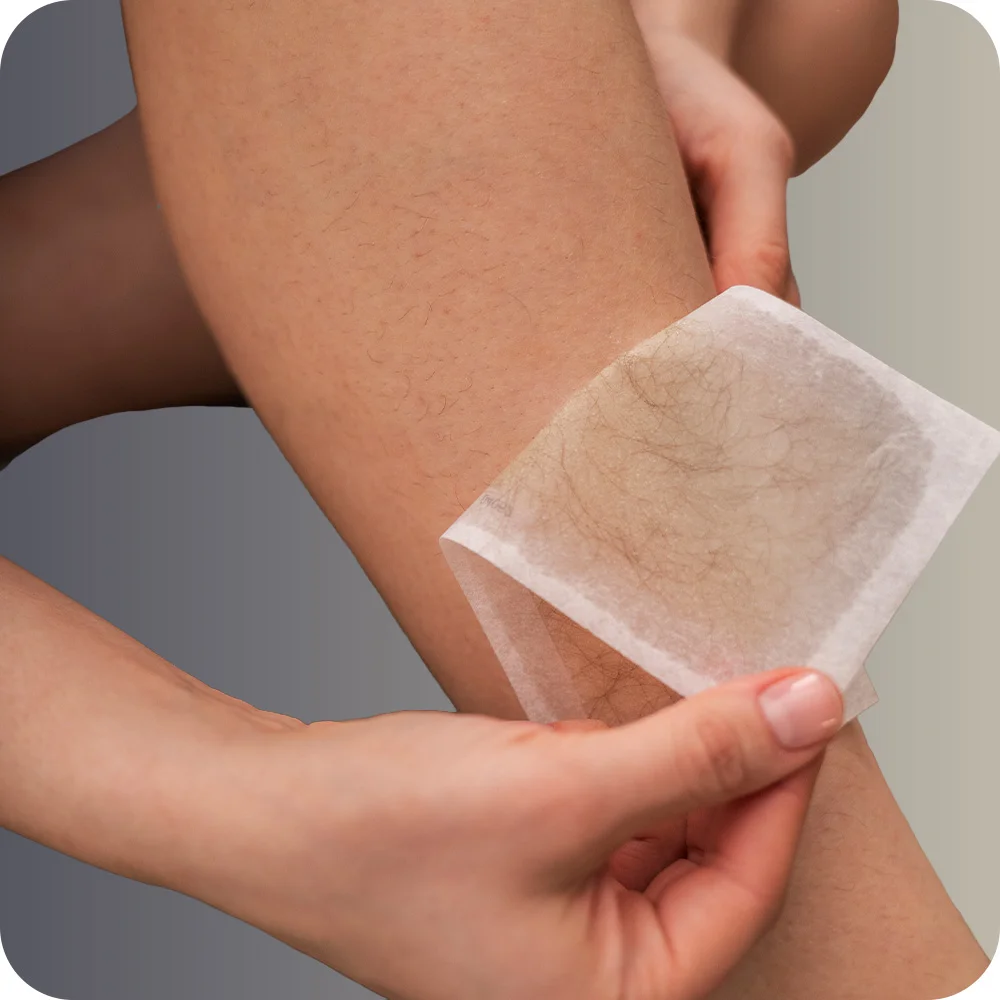

Waxing is a temporary hair-removal treatment that removes suitable hair from the root.
It may be used on facial and body areas and generally provides immediately smoother-looking results that last longer than shaving for many clients.
No.
Waxing removes existing hair from the root but does not permanently disable the follicle.
Hair will gradually regrow, and regular maintenance appointments are required.
Waxing can cause brief discomfort because the hair is removed from the root.
The sensation varies according to the treatment area, hair density, skin sensitivity and individual pain tolerance.
Hair is often best at approximately 5–6 mm long so the wax can grip it effectively.
The practitioner may recommend a different length depending on the area and waxing system.
Do not trim unless the clinic advises you to.
If the hair is too long, the practitioner may trim it safely before waxing.
Hair that is cut too short may be difficult for the wax to grip.
Many clients experience smoother-looking skin for approximately three to six weeks.
Regrowth timing varies depending on the area, growth cycle, hormones and individual response.
Waxing does not usually cause hair to biologically grow back thicker.
Regrowth may feel softer for some clients because the hair has not been cut bluntly at the skin’s surface.
Some clients feel that regular waxing results in finer or less noticeable regrowth.
However, this varies and cannot be guaranteed.
Yes.
Ingrown hairs can occur when hair regrows beneath or back into the skin.
Gentle aftercare may help reduce the risk, but waxing cannot guarantee their prevention.
A Brazilian waxing appointment may take approximately 20–40 minutes.
Timing depends on hair length, density, skin sensitivity, previous waxing and the clinic’s technique.
A Brazilian wax usually removes most intimate-area hair while leaving a strip or small shape at the front.
A Hollywood wax usually removes all hair from the approved external intimate area.
Definitions may vary, so the clinic should explain the service before treatment.
You can shave, but doing so may interrupt a consistent waxing cycle.
Hair will need to regrow to a suitable length before the next waxing appointment.
Waxing may still be possible during menstruation, although sensitivity may be increased.
For intimate waxing, inform the clinic and follow its hygiene and menstrual-protection policy.
Waxing may be possible following assessment.
Pregnancy can increase skin sensitivity, and treatment position or technique may need to be adapted.
The clinic’s pregnancy and insurance protocol will apply.
Retinol, prescription retinoids and exfoliating acids may increase skin sensitivity.
Facial waxing may need to be postponed depending on the product, strength and frequency of use.
Do not stop prescribed treatment without professional advice.
No.
Isotretinoin can make the skin fragile and increase the risk of skin injury during waxing.
Clients must disclose current and recent isotretinoin use before treatment.
Strenuous exercise can increase heat, sweat and friction.
Clients are commonly advised to avoid intense exercise for approximately 24 hours or until the skin has settled.
Swimming may irritate freshly waxed skin because of chlorine, salt water, heat and bacteria.
Wait until redness and sensitivity have settled and follow your practitioner’s guidance.
Hot environments may increase irritation and sensitivity.
Avoid saunas, steam rooms, hot tubs and very hot baths for the recommended period.
Avoid sun exposure, tanning beds and artificial tanning products until the skin has settled.
Recently waxed skin may be more sensitive and vulnerable to irritation.
It is best to wait until the skin feels calm and intact.
Applying make-up immediately may increase irritation or introduce bacteria to sensitive skin.
Follow your practitioner’s advice.
Some clients with sensitive skin can be waxed successfully following assessment and appropriate product selection.
However, treatment may need to be avoided where the skin is inflamed, damaged or unusually fragile.
Wear loose, comfortable clothing and breathable underwear.
Tight clothing may increase friction and discomfort after treatment.
Transform Beauty provides professional facial and body waxing at 42 Carfax, Horsham RH12 1EQ.
Transform Beauty is based at 42 Carfax, Horsham, West Sussex, RH12 1EQ. We are open Monday to Friday 9am–6pm and Saturday 9am–5pm. We serve clients from across Horsham, Crawley, Guildford, Brighton.
Book a professional waxing appointment at Transform Beauty in Horsham.
Our team will help you choose the right treatment area, explain what to expect and provide personalised aftercare for comfortable, well-maintained results
Waxing should only be performed on suitable, intact skin using professional products, hygienic procedures and an appropriate treatment technique.
Clients must disclose:
Treatment should not proceed where the skin is infected, broken, severely irritated, sunburned or unusually fragile.
Waxing is a temporary cosmetic hair-removal treatment.
It does not permanently stop hair growth or guarantee hair-free skin for a fixed period.
Results, discomfort, skin reactions and regrowth timing vary according to the client, area treated, hair-growth cycle, hormones, medication and skin sensitivity.
Clients with persistent skin irritation, infected ingrown hairs, unusual lesions or significant reactions should seek appropriate professional advice.